
Settling in at Moka
Individual
Build your home
Build your future, step by step
Just bought a residential plot? Congratulations! It’s now time to turn your dream into reality and build your future home.
Building in Moka means settling in a city where living well together is at the heart of our urban vision. To preserve quality of life, ensure architectural harmony, and safeguard everyone’s investments, every project is guided by clearly defined rules and charters.
Follow the guide below to bring your project to life—step by step, within Moka’s structured framework.
Before Construction
During Construction
After Construction
1. Get your plans ready, step by step
Before laying the first stone, several administrative procedures are necessary. Here are the key steps to follow:

Contact your property manager first
Your property manager (syndic) is your privileged contact to help you build. They will provide you with a checklist highlighting the mandatory documents you need. You can also refer to the architectural guidelines (cahier des charges) submitted to you when you signed your Deed of Sale.
Work with an architect registered in Mauritius
Your project must be designed and signed by an architect registered with the Professional Architects Council (PAC) of Mauritius. This guarantees a solid, compliant, and well-supervised file.
Prepare a full application with your architect
With your architect’s help, prepare a complete file: land titles, architectural plans, topographic plan, water management, exterior landscaping, etc.
Have your project validated by the syndic before any other step
Before going further, your application must be validated by the syndic:
- They ensure your proposal aligns with design rules.
- Their consulting architect(s) provide expert review.
- You’ll receive an invoice for administrative and deposit fees.
Note: If your submission does not comply with the specifications, it will be rejected. You may submit the modified files two additional times at no extra cost, but beyond three submissions, additional fees will apply.
Without syndic approval, no Building and Land Use Permit (BLUP) can be issued!
You simply can’t proceed without it.
Good to know: To guarantee equity among all owners, the rules are the same for everyone. Exceptions can only be considered in exceptional cases, strictly framed by the specifications.
2. You are now ready to tackle the paperwork with the authorities !
Once you’ve got your syndic’s go-ahead, it’s time to handle the Building and Land Use Permit (BLUP) and utility connections!
Apply for your BLUP
Once favourable approval is obtained, you can submit your BLUP application to the authorities. Note that syndic approval does not guarantee BLUP approval: authorities may request additional modifications, which should also be approved by the syndic.
CWA / CEB Utilities
Good to know !
Before signing your sales deed, Moka ensures all necessary authorizations (“clearances”) are obtained from CEB and CWA, which facilitates your procedures.
But once you decide to start building your house, it’s up to you – as the owner – to request individual connection.
👉 Your request triggers connection by CEB or CWA teams, which can take some time. Even with all upstream authorizations, these delays don’t depend on the developer, and this process is the same everywhere in Mauritius.
3. The dream becomes reality: construction can start!
Don’t forget to inform your property manager of the construction start date and submit a copy of your BLUP!
01 Before Construction
1. Get your plans ready, step by step
Before laying the first stone, several administrative procedures are necessary. Here are the key steps to follow:
Contact your property manager first
Your property manager (syndic) is your privileged contact to help you build. They will provide you with a checklist highlighting the mandatory documents you need. You can also refer to the architectural guidelines (cahier des charges) submitted to you when you signed your Deed of Sale.
Work with an architect registered in Mauritius
Your project must be designed and signed by an architect registered with the Professional Architects Council (PAC) of Mauritius. This guarantees a solid, compliant, and well-supervised file.
Prepare a full application with your architect
With your architect’s help, prepare a complete file: land titles, architectural plans, topographic plan, water management, exterior landscaping, etc.
Have your project validated by the syndic before any other step
Before going further, your application must be validated by the syndic:
- They ensure your proposal aligns with design rules.
- Their consulting architect(s) provide expert review.
- You’ll receive an invoice for administrative and deposit fees.
Note: If your submission does not comply with the specifications, it will be rejected. You may submit the modified files two additional times at no extra cost, but beyond three submissions, additional fees will apply.
Without syndic approval, no Building and Land Use Permit (BLUP) can be issued!
You simply can’t proceed without it.
Good to know: To guarantee equity among all owners, the rules are the same for everyone. Exceptions can only be considered in exceptional cases, strictly framed by the specifications.
2. You are now ready to tackle the paperwork with the authorities !
Once you’ve got your syndic’s go-ahead, it’s time to handle the Building and Land Use Permit (BLUP) and utility connections!
Apply for your BLUP
Once favourable approval is obtained, you can submit your BLUP application to the authorities. Note that syndic approval does not guarantee BLUP approval: authorities may request additional modifications, which should also be approved by the syndic.
CWA / CEB Utilities
Good to know !
Before signing your sales deed, Moka ensures all necessary authorizations (“clearances”) are obtained from CEB and CWA, which facilitates your procedures.
But once you decide to start building your house, it’s up to you – as the owner – to request individual connection.
👉 Your request triggers connection by CEB or CWA teams, which can take some time. Even with all upstream authorizations, these delays don’t depend on the developer, and this process is the same everywhere in Mauritius.
3. The dream becomes reality: construction can start!
Don’t forget to inform your property manager of the construction start date and submit a copy of your BLUP!

During construction
During the construction phase, the owner must submit to the AF the required compliance certificates at the stages specified in the Association’s regulations: foundations, openings, and completion of works. These certificates must be prepared and signed by the architect in charge of the project.
The neighbourhood AF may also carry out inspection visits, particularly at key stages of the construction process, to verify that the works comply with the approved plans and applicable regulations. These inspections generally take place after the setting out of the building footprint, the pouring of the ground floor slab, and at the finishing stage. Such inspections do not relieve the owner, architect, consultants, or contractors of their respective responsibilities:
1. Foundations
Verification of positioning and setbacks from property boundaries
2. Openings
Compliance verification
3. Completion of works
Final check to validate painting, openings, gate, garden, etc.
Construction site rules at a glance
The rules below, which apply to everyone, summarize the main guidelines for residential construction sites in Moka. They may vary according to the precinct and project, and in no way replace the co-ownership regulations or official documents provided to you. Always refer to them for precise requirements applicable to your plot of land.
- No workers may reside on site
- Unloading and storage strictly within the plot.
- Site closed, secure, orderly and clean at all times. Dust level must remain acceptable. It is the site owner who must ensure neighbourhood protection (noise, dust, etc.)
- Strict respect of schedules (These may differ per project). Most common rule = Monday-Friday 07:00–18:00; Saturday until 14:00; closed Sundays/holidays
- Mandatory site fencing – limited noise (radios, shouting, horns to be avoided)
- Strict waste management, which must be evacuated each Friday – no burning or burying authorized
- No temporary installations outside the construction zone
- Maximum speed 30 km/h in the vicinity – caution is essential
- The contractor is fully responsible for their team.
02 During Construction<br>
During construction
During the construction phase, the owner must submit to the AF the required compliance certificates at the stages specified in the Association’s regulations: foundations, openings, and completion of works. These certificates must be prepared and signed by the architect in charge of the project.
The neighbourhood AF may also carry out inspection visits, particularly at key stages of the construction process, to verify that the works comply with the approved plans and applicable regulations. These inspections generally take place after the setting out of the building footprint, the pouring of the ground floor slab, and at the finishing stage. Such inspections do not relieve the owner, architect, consultants, or contractors of their respective responsibilities:
1. Foundations
Verification of positioning and setbacks from property boundaries
2. Openings
Compliance verification
3. Completion of works
Final check to validate painting, openings, gate, garden, etc.
Construction site rules at a glance
The rules below, which apply to everyone, summarize the main guidelines for residential construction sites in Moka. They may vary according to the precinct and project, and in no way replace the co-ownership regulations or official documents provided to you. Always refer to them for precise requirements applicable to your plot of land.
- No workers may reside on site
- Unloading and storage strictly within the plot.
- Site closed, secure, orderly and clean at all times. Dust level must remain acceptable. It is the site owner who must ensure neighbourhood protection (noise, dust, etc.)
- Strict respect of schedules (These may differ per project). Most common rule = Monday-Friday 07:00–18:00; Saturday until 14:00; closed Sundays/holidays
- Mandatory site fencing – limited noise (radios, shouting, horns to be avoided)
- Strict waste management, which must be evacuated each Friday – no burning or burying authorized
- No temporary installations outside the construction zone
- Maximum speed 30 km/h in the vicinity – caution is essential
- The contractor is fully responsible for their team.

Welcome home!
Your house is ready, you can finally move in! Before settling in, here are two points not to forget:
Remember to request the return of your deposit
If damage was caused to public spaces during work, corresponding costs will be deducted
Discover the role of Moka’s Property Associations:
Maintenance of common areas, shared services, charges… everything you need to know to integrate well into neighbourhood life. Learn more here
03 After Construction
Welcome home!
Your house is ready, you can finally move in! Before settling in, here are two points not to forget:
Remember to request the return of your deposit
If damage was caused to public spaces during work, corresponding costs will be deducted
Discover the role of Moka’s Property Associations:
Maintenance of common areas, shared services, charges… everything you need to know to integrate well into neighbourhood life. Learn more here
1. Get your plans ready, step by step
Before laying the first stone, several administrative procedures are necessary. Here are the key steps to follow:
Contact your property manager first
Your property manager (syndic) is your privileged contact to help you build. They will provide you with a checklist highlighting the mandatory documents you need. You can also refer to the architectural guidelines (cahier des charges) submitted to you when you signed your Deed of Sale.
Work with an architect registered in Mauritius
Your project must be designed and signed by an architect registered with the Professional Architects Council (PAC) of Mauritius. This guarantees a solid, compliant, and well-supervised file.
Prepare a full application with your architect
With your architect’s help, prepare a complete file: land titles, architectural plans, topographic plan, water management, exterior landscaping, etc.
Have your project validated by the syndic before any other step
Before going further, your application must be validated by the syndic:
- They ensure your proposal aligns with design rules.
- Their consulting architect(s) provide expert review.
- You’ll receive an invoice for administrative and deposit fees.
Note: If your submission does not comply with the specifications, it will be rejected. You may submit the modified files two additional times at no extra cost, but beyond three submissions, additional fees will apply.
Without syndic approval, no Building and Land Use Permit (BLUP) can be issued!
You simply can’t proceed without it.
Good to know: To guarantee equity among all owners, the rules are the same for everyone. Exceptions can only be considered in exceptional cases, strictly framed by the specifications.
2. You are now ready to tackle the paperwork with the authorities !
Once you’ve got your syndic’s go-ahead, it’s time to handle the Building and Land Use Permit (BLUP) and utility connections!
Apply for your BLUP
Once favourable approval is obtained, you can submit your BLUP application to the authorities. Note that syndic approval does not guarantee BLUP approval: authorities may request additional modifications, which should also be approved by the syndic.
CWA / CEB Utilities
Good to know !
Before signing your sales deed, Moka ensures all necessary authorizations (“clearances”) are obtained from CEB and CWA, which facilitates your procedures.
But once you decide to start building your house, it’s up to you – as the owner – to request individual connection.
👉 Your request triggers connection by CEB or CWA teams, which can take some time. Even with all upstream authorizations, these delays don’t depend on the developer, and this process is the same everywhere in Mauritius.
3. The dream becomes reality: construction can start!
Don’t forget to inform your property manager of the construction start date and submit a copy of your BLUP!
01 Before Construction
1. Get your plans ready, step by step
Before laying the first stone, several administrative procedures are necessary. Here are the key steps to follow:
Contact your property manager first
Your property manager (syndic) is your privileged contact to help you build. They will provide you with a checklist highlighting the mandatory documents you need. You can also refer to the architectural guidelines (cahier des charges) submitted to you when you signed your Deed of Sale.
Work with an architect registered in Mauritius
Your project must be designed and signed by an architect registered with the Professional Architects Council (PAC) of Mauritius. This guarantees a solid, compliant, and well-supervised file.
Prepare a full application with your architect
With your architect’s help, prepare a complete file: land titles, architectural plans, topographic plan, water management, exterior landscaping, etc.
Have your project validated by the syndic before any other step
Before going further, your application must be validated by the syndic:
- They ensure your proposal aligns with design rules.
- Their consulting architect(s) provide expert review.
- You’ll receive an invoice for administrative and deposit fees.
Note: If your submission does not comply with the specifications, it will be rejected. You may submit the modified files two additional times at no extra cost, but beyond three submissions, additional fees will apply.
Without syndic approval, no Building and Land Use Permit (BLUP) can be issued!
You simply can’t proceed without it.
Good to know: To guarantee equity among all owners, the rules are the same for everyone. Exceptions can only be considered in exceptional cases, strictly framed by the specifications.
2. You are now ready to tackle the paperwork with the authorities !
Once you’ve got your syndic’s go-ahead, it’s time to handle the Building and Land Use Permit (BLUP) and utility connections!
Apply for your BLUP
Once favourable approval is obtained, you can submit your BLUP application to the authorities. Note that syndic approval does not guarantee BLUP approval: authorities may request additional modifications, which should also be approved by the syndic.
CWA / CEB Utilities
Good to know !
Before signing your sales deed, Moka ensures all necessary authorizations (“clearances”) are obtained from CEB and CWA, which facilitates your procedures.
But once you decide to start building your house, it’s up to you – as the owner – to request individual connection.
👉 Your request triggers connection by CEB or CWA teams, which can take some time. Even with all upstream authorizations, these delays don’t depend on the developer, and this process is the same everywhere in Mauritius.
3. The dream becomes reality: construction can start!
Don’t forget to inform your property manager of the construction start date and submit a copy of your BLUP!
During construction
During the construction phase, the owner must submit to the AF the required compliance certificates at the stages specified in the Association’s regulations: foundations, openings, and completion of works. These certificates must be prepared and signed by the architect in charge of the project.
The neighbourhood AF may also carry out inspection visits, particularly at key stages of the construction process, to verify that the works comply with the approved plans and applicable regulations. These inspections generally take place after the setting out of the building footprint, the pouring of the ground floor slab, and at the finishing stage. Such inspections do not relieve the owner, architect, consultants, or contractors of their respective responsibilities:
1. Foundations
Verification of positioning and setbacks from property boundaries
2. Openings
Compliance verification
3. Completion of works
Final check to validate painting, openings, gate, garden, etc.
Construction site rules at a glance
The rules below, which apply to everyone, summarize the main guidelines for residential construction sites in Moka. They may vary according to the precinct and project, and in no way replace the co-ownership regulations or official documents provided to you. Always refer to them for precise requirements applicable to your plot of land.
- No workers may reside on site
- Unloading and storage strictly within the plot.
- Site closed, secure, orderly and clean at all times. Dust level must remain acceptable. It is the site owner who must ensure neighbourhood protection (noise, dust, etc.)
- Strict respect of schedules (These may differ per project). Most common rule = Monday-Friday 07:00–18:00; Saturday until 14:00; closed Sundays/holidays
- Mandatory site fencing – limited noise (radios, shouting, horns to be avoided)
- Strict waste management, which must be evacuated each Friday – no burning or burying authorized
- No temporary installations outside the construction zone
- Maximum speed 30 km/h in the vicinity – caution is essential
- The contractor is fully responsible for their team.
02 During Construction<br>
During construction
During the construction phase, the owner must submit to the AF the required compliance certificates at the stages specified in the Association’s regulations: foundations, openings, and completion of works. These certificates must be prepared and signed by the architect in charge of the project.
The neighbourhood AF may also carry out inspection visits, particularly at key stages of the construction process, to verify that the works comply with the approved plans and applicable regulations. These inspections generally take place after the setting out of the building footprint, the pouring of the ground floor slab, and at the finishing stage. Such inspections do not relieve the owner, architect, consultants, or contractors of their respective responsibilities:
1. Foundations
Verification of positioning and setbacks from property boundaries
2. Openings
Compliance verification
3. Completion of works
Final check to validate painting, openings, gate, garden, etc.
Construction site rules at a glance
The rules below, which apply to everyone, summarize the main guidelines for residential construction sites in Moka. They may vary according to the precinct and project, and in no way replace the co-ownership regulations or official documents provided to you. Always refer to them for precise requirements applicable to your plot of land.
- No workers may reside on site
- Unloading and storage strictly within the plot.
- Site closed, secure, orderly and clean at all times. Dust level must remain acceptable. It is the site owner who must ensure neighbourhood protection (noise, dust, etc.)
- Strict respect of schedules (These may differ per project). Most common rule = Monday-Friday 07:00–18:00; Saturday until 14:00; closed Sundays/holidays
- Mandatory site fencing – limited noise (radios, shouting, horns to be avoided)
- Strict waste management, which must be evacuated each Friday – no burning or burying authorized
- No temporary installations outside the construction zone
- Maximum speed 30 km/h in the vicinity – caution is essential
- The contractor is fully responsible for their team.
Welcome home!
Your house is ready, you can finally move in! Before settling in, here are two points not to forget:
Remember to request the return of your deposit
If damage was caused to public spaces during work, corresponding costs will be deducted
Discover the role of Moka’s Property Associations:
Maintenance of common areas, shared services, charges… everything you need to know to integrate well into neighbourhood life. Learn more here
03 After Construction
Welcome home!
Your house is ready, you can finally move in! Before settling in, here are two points not to forget:
Remember to request the return of your deposit
If damage was caused to public spaces during work, corresponding costs will be deducted
Discover the role of Moka’s Property Associations:
Maintenance of common areas, shared services, charges… everything you need to know to integrate well into neighbourhood life. Learn more here
Move into a ready-built property
Want to live in Moka without construction constraints?
You can acquire a property sold off-plan in Moka
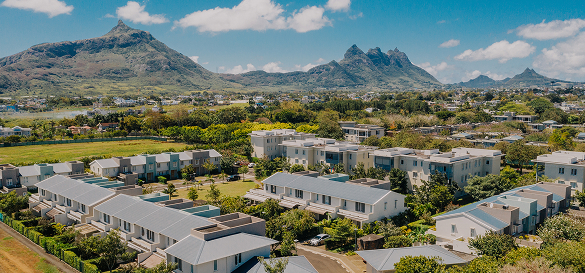
This purchase option is done safely through the VEFA contract (Sale in Future State of Completion). Concretely, you buy a property off-plan and become owner as construction progresses. The developer remains responsible for construction until final delivery of the housing.
Why Choose VEFA?
Zero hassle, everything managed by the developer
You buy, they build according to strict legal framework
Quality projects
designed by experienced Mauritian architects and builders
Staggered payment
You pay at the pace of construction progress
Guaranteed delivery thanks to Financial Completion Guarantee (GFA)
even if the developer encounters difficulties
Long-term peace of mind
with ten-year guarantee covering potential structural defects
Main steps to buy in VEFA
Buying a VEFA property in Mauritius is simple and well-regulated. Here are the two key stages to become an owner with complete peace of mind:
1. Preliminary Reservation Contract (CRP)
You start by reserving your future property by signing a contract with the developer. A secure deposit (guarantee deposit) is then paid into an escrow account with a notary.
2. Sales Contract (Deed of Sale – DOS)
After administrative procedures, you sign the final sales deed with the notary. It’s official: you are now owner of your future home!
⚠️ If you are not a Mauritian citizen, purchase authorization must be obtained from the Economic Development Board (EDB). No worries: the developer accompanies you in this process.
Do you prefer to invest in an already built house or apartment?
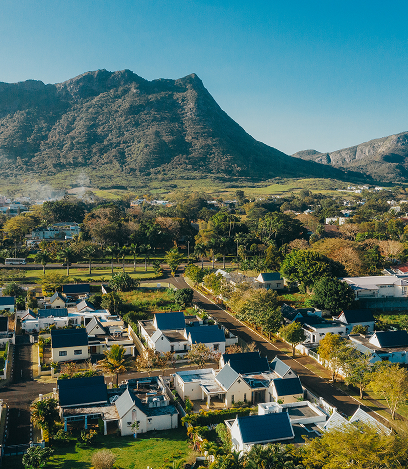
Welcome to Moka! Whether you’re a tenant or owner of an existing property, you’re joining a dynamic community where everything is designed for practical and pleasant living.
Even if you don’t go through the construction stage, certain procedures remain necessary to finalize your installation:
- If not handled by your property manager, request your electricity (CEB) and water (CWA) connection. Forms are available in sub-offices or online
- Inquire with your syndicate or owner about specific rules for your residence (parking, waste sorting, access to common areas, etc.)
Also consider consulting the co-ownership regulations applicable to your neighbourhood – it’s your best compass to start this new adventure well!
Useful links
Welcome to Moka, Your New Life Starts Here
Settling in Moka means joining a stimulating, practical, and caring living environment. To accompany you in your first steps, discover our practical pages:


