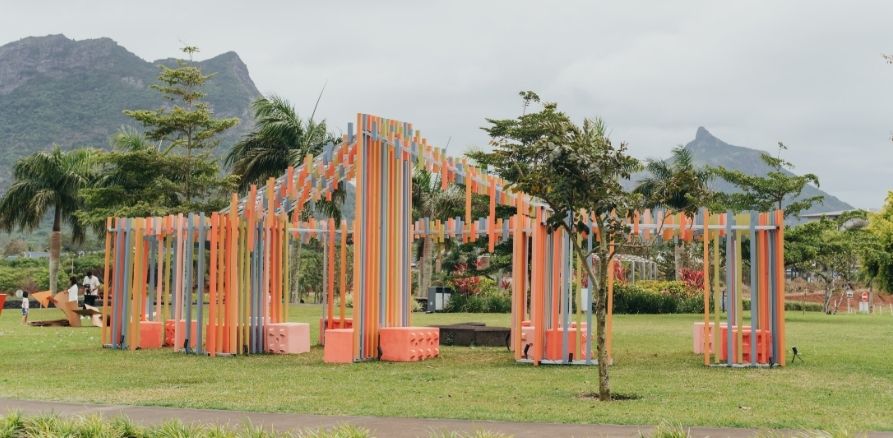
Keshav Neenooth, 21, a student at ENSA Nantes in Mauritius, is the grand winner of the Max Boullé Prize. This architecture student invites you to discover his work during a free exhibition, from 15 November 2025 to 4 February 2026 at the Telfair amphitheatre.
An interview with Pierre André Boullé, President of the Friends of Max Boullé Association, and Keshav, a brilliant architect in the making, behind the scenes of an extraordinary adventure.
Why was the Max Boullé Prize project launched?
P. A. B: The idea took root more than three years ago, following the Max Boullé Retrospective. The success of that exhibition encouraged the association “Les amis de Max Boullé” – of which I was then a member – to create a bridge between the past and present of Mauritian heritage. After the proceeds from the sale of our book, we were eager to embark on our next project. This led to our meeting with Savana Ulcoq from ArtMe, the project coordinator, and Mathieu Pigeot, Art & Culture Manager at Moka City, who had already suggested the idea of a location…
Why was Telfair chosen for the project?
P. A. B : Telfair is a new and dynamic neighbourhood with an interesting core: the amphitheatre. It’s a vibrant space that encourages interaction, one of the key aspects of our approach. It’s also rooted in an urban plan while featuring a stunning natural backdrop – a notable characteristic of Max Boullé’s work, which draws inspiration from nature to create unique structures.
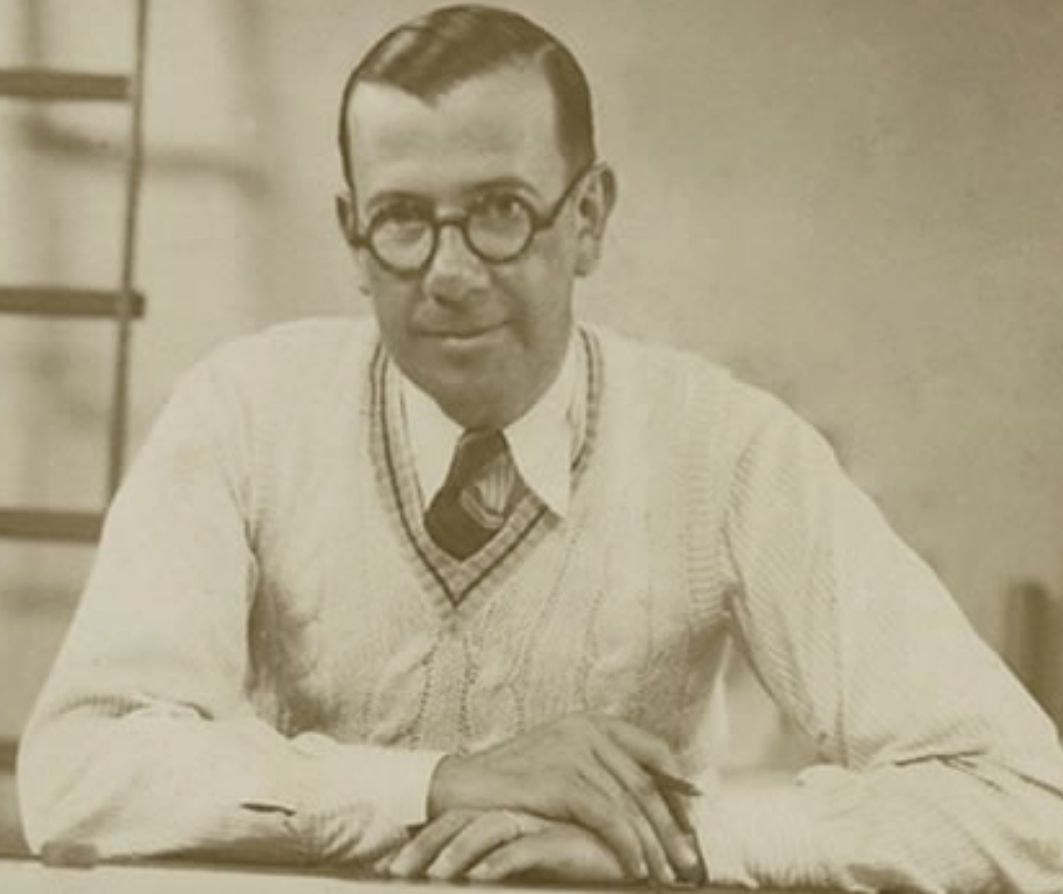
Who was Max Boullé?
P. A. B : This Mauritian left his island in 1920 for the Ranson Academy. Upon returning in 1925, he worked on numerous religious buildings, civic structures, and private homes before partnering with Marcel Lagesse and then Mara Schaub to open the island’s first architectural firm, Boullé-Lagesse-Schaub. Max Boullé, the architect, is known for his minimalist style inspired by the Art Deco movement. He was also one of the first to use concrete in his buildings. He is credited with emblematic structures such as the Cap Malheureux Chapel and Saint Joseph’s College in Curepipe.
What does this artwork represent?
K. N : Max Boullé was both a painter and an architect. While I was already familiar with the broad strokes of his architectural work, I also explored his painting. I wanted to integrate as many facets as possible without overdoing it. The simplicity and rectilinear aspect of his buildings were the driving forces behind this project. I used bright, warm colours to create a generous pavilion that sparks curiosity.
P. A. B : The jury deliberated for over four hours. Out of 22 anonymous entries, including some international participants, we shortlisted 13 before finally selecting Keshav’s.
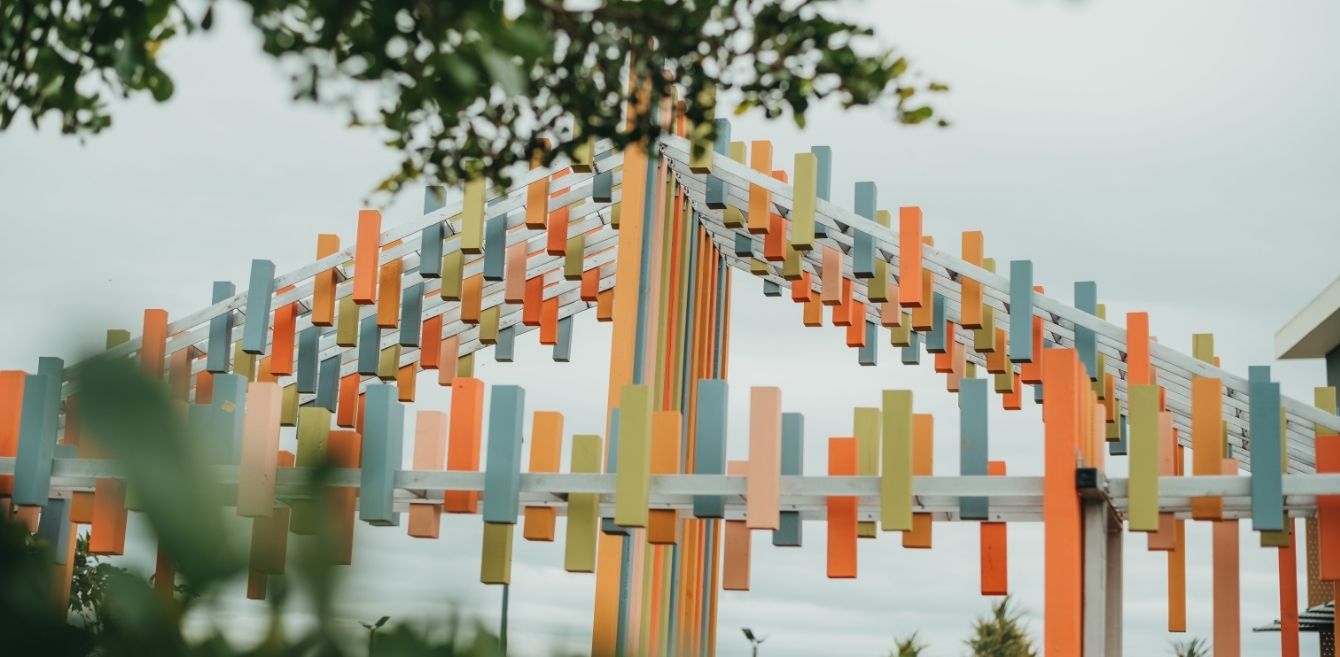
How does it create connection in public space?
K. N : When sketching, I didn’t want the message to be obvious. That might have been intimidating or off-putting. On the contrary, I wanted to appeal to the curiosity we all share to invite dialogue. I aimed to intrigue through scale, elements, etc… so that questions would arise, and the answers would spark conversation. To invite people to sit and engage.
What do you hope visitors feel when they discover it?
K. N : I want them to feel included and invited to enter, discover, and interact. I designed this piece with all audiences in mind; for all ages.
P. A. B : Sometimes you feel a distance between yourself and a piece of art. Not with this one. It’s placed in a welcoming space, and we’re excited to see how it integrates into Moka.
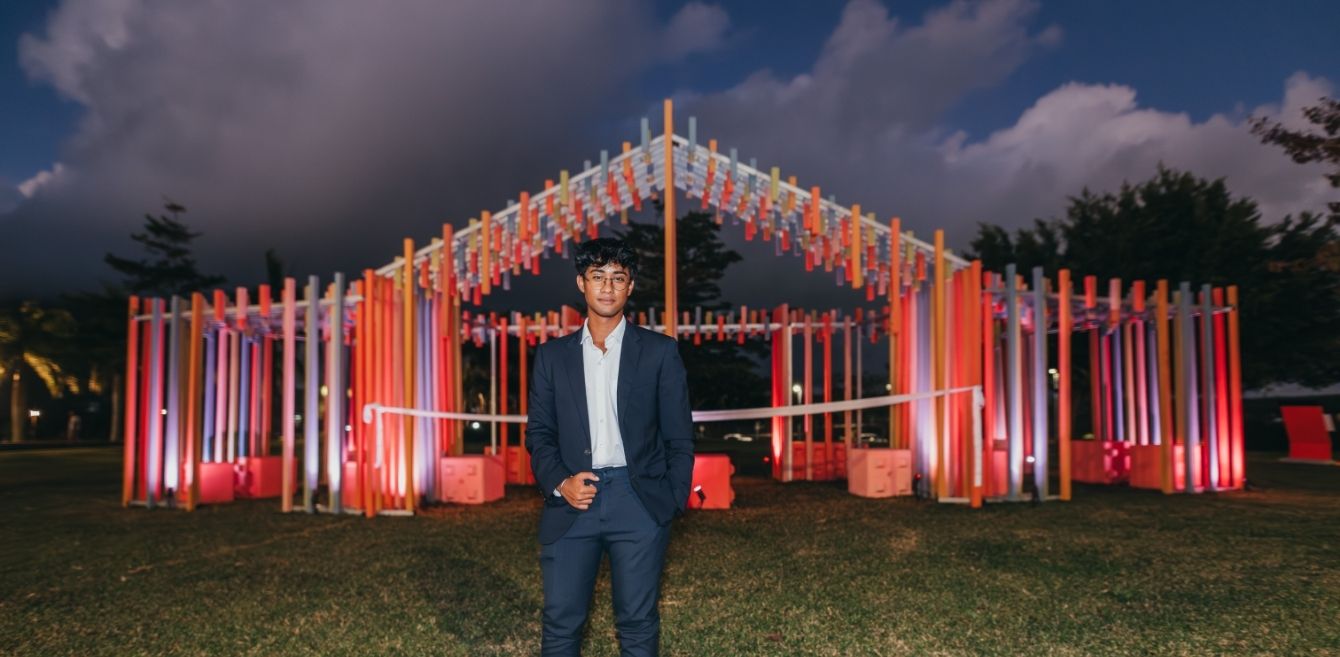
Who is Keshav Neenooth after this creation?
K. N : Someone less introverted. This is the first time I’ve completed something so tangible – not just a sketch. It involved coming out of my shell to find the partnerships and sponsors who made the work possible.
What were the first reactions to the installation?
K. N : My friends and acquaintances are very proud to see the piece on display, especially since I had help from some of them during its creation. The feedbacks were positive.
From inspiration to installation: how was this work born?
K. N : I saw the announcement for the Prize in my second year, but didn’t have time to think about it. The long application window allowed me to take part. But I didn’t have a concrete idea – just “shower thoughts” and memories from classes. Within a week, I researched, sketched, and experimented. There are several iterations of this work the public won’t see. I submitted my file at the last minute… and when I didn’t hear back, I got worried: the committee asked for a portfolio, which I submitted, and that was the start.
Did you face any technical or artistic challenges during the project?
K. N : Of course: one major challenge was the requirement that the work withstand the weather. I received help from an engineering firm to ensure the structural integrity of my design. Then there was the budget allocated by the association that had to be respected, and I found fantastic sponsors who helped bring the project to life.